
Spiritual Path
Companion grief through faith and ritual — light still exists, even in sorrow.
Credential earned
Everlight Companion Guide
Total learning time
~39 hours
Practice begins at
Spiritual Companioning After Loss
Who this is for
Those called to companion grief through faith — lay leaders, clergy-in-training, and people of any tradition who want to hold space for the bereaved spiritually.
Those called to companion grief through faith, ritual, and remembrance across traditions.
Why this practice exists
Faith communities carry grief and seek companions who can hold it. The Spiritual Path teaches faith-sensitive support across traditions — without proselytising — and the small rituals that carry a mourner through.
Your companioning journey
The Spiritual Path builds faith-sensitive companioning on top of the foundations. It is non-clinical, and it does not proselytise. Here is the practice, stage by stage.
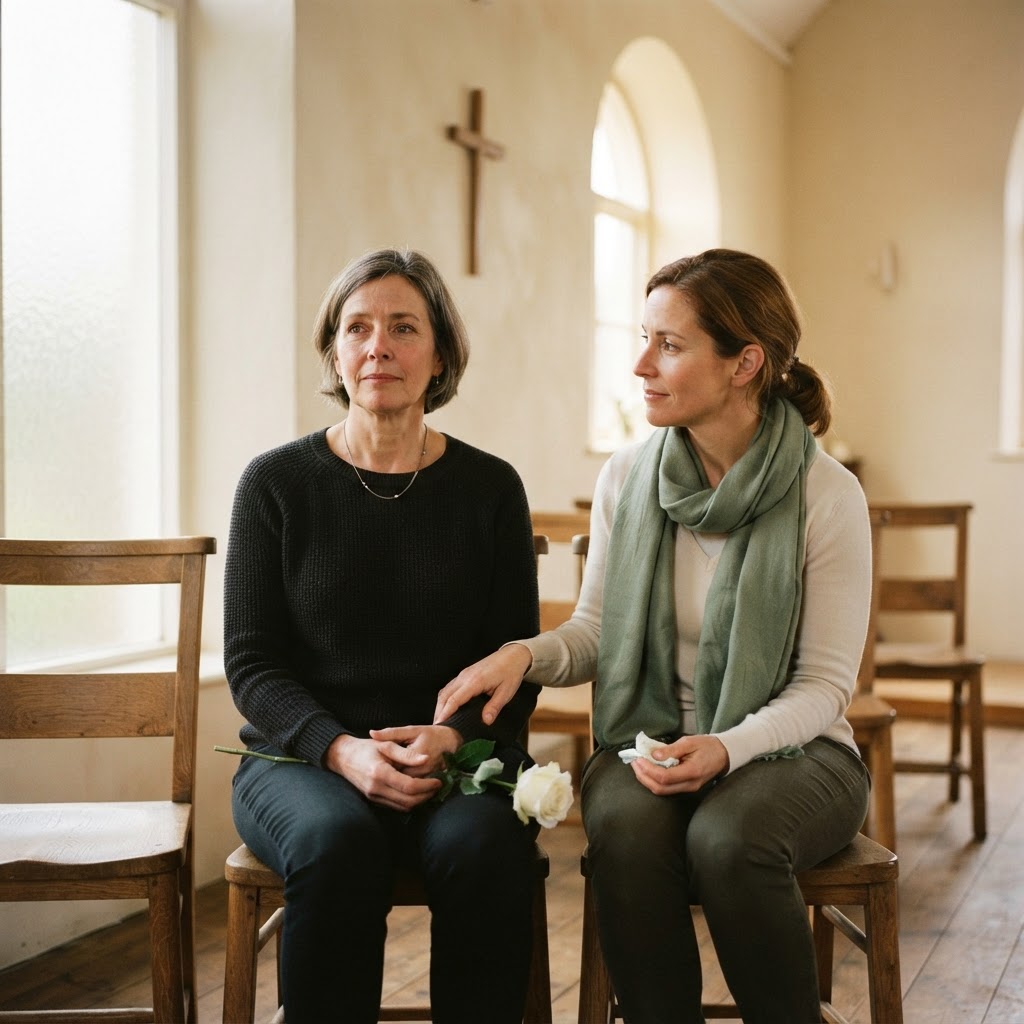
Stage 1 · Start — presence and ethics
You can sit with grief, listen reflectively, and hold the ethical scope of a companion across traditions.
Study stage — no client work yet.
Foundation-ready and cleared for the Spiritual path.

Stage 2 · Spiritual companioning — the sacred journey
You can companion grief within a mourner's own faith framework, hold rites and seasons gently, and stay with the question rather than supplying theology.
Guided practice begins here — companioning within your community. It is a practice, not paid work or a referral pipeline.
Spiritual Companion — ready for the aftermath.
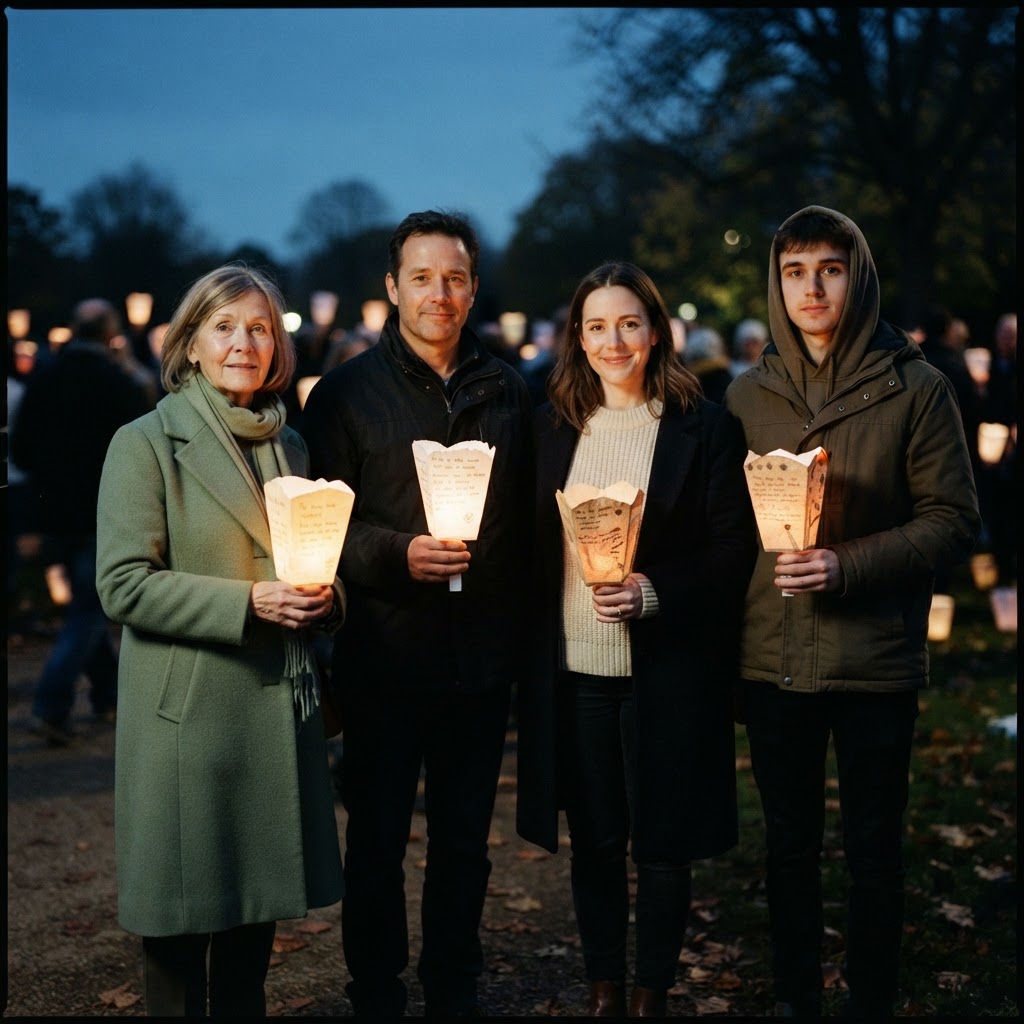
Stage 3 · Lantern Gatherings — small carried lights
You can design and hold a small faith-sensitive remembrance gathering where each person brings a name and a light, and no one is required to speak.
Practice deepens here through Lantern Gatherings. It is a practice, not paid work or a referral pipeline.
Trusted to hold a Lantern Gathering.
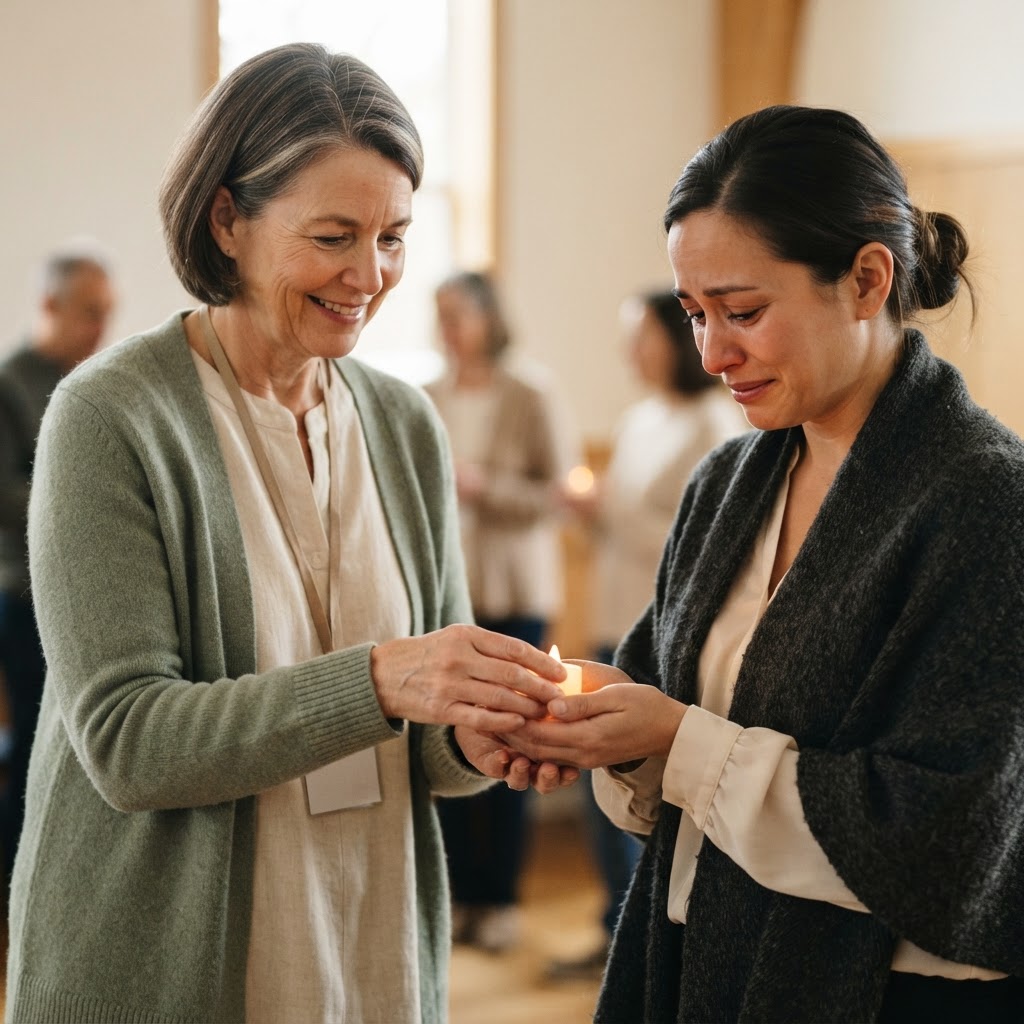
Stage 4 · Guide credential — where next
You can carry a complete spiritual companioning practice — presence, ritual, and referral — and hold the line between companioning and clinical care.
A full companioning practice is a practice, not paid work or a referral pipeline. Nothing here promises income, placements, or roles.
Everlight Companion Guide — ready for the Guide path.
What you will be able to do
- ▸ Companion grief in a faith-sensitive way across traditions
- ▸ Lead simple remembrance rituals with care
- ▸ Hold space without imposing your own beliefs
- ▸ Recognise scope and signpost clinical support
Practice examples
The examples below are illustrative composites written to show the shape of the practice at each level. They are not testimonials from named students, and they do not represent a promise of work, income, or results.
Illustrative — faith-community companion
Active in a faith community that had no one trained to hold grief.
After the path, began holding small Lantern Gatherings where each person brought a name and a light, and no one was required to speak.
Illustrative — inter-tradition companion
Served a community spanning more than one tradition.
Learned to hold the whole room — faith, doubt, and anger — without taking sides or smoothing the edges.
The practice you carry
- 01Foundation
- 02Spiritual companioning — Faith-sensitive support
- 03After the storm
- 04Lantern gatherings — Lantern Gathering facilitation
- 05Competency review
Practice life
Practice that fits the calendar of a faith community — seasons, anniversaries, and gatherings — woven into the rest of life.
Where you can go next
Grief Business
Build a sustainable, ethical grief practice and earn the Everlight Grief Practice Builder credential.